How to handle checkboxes in Vue
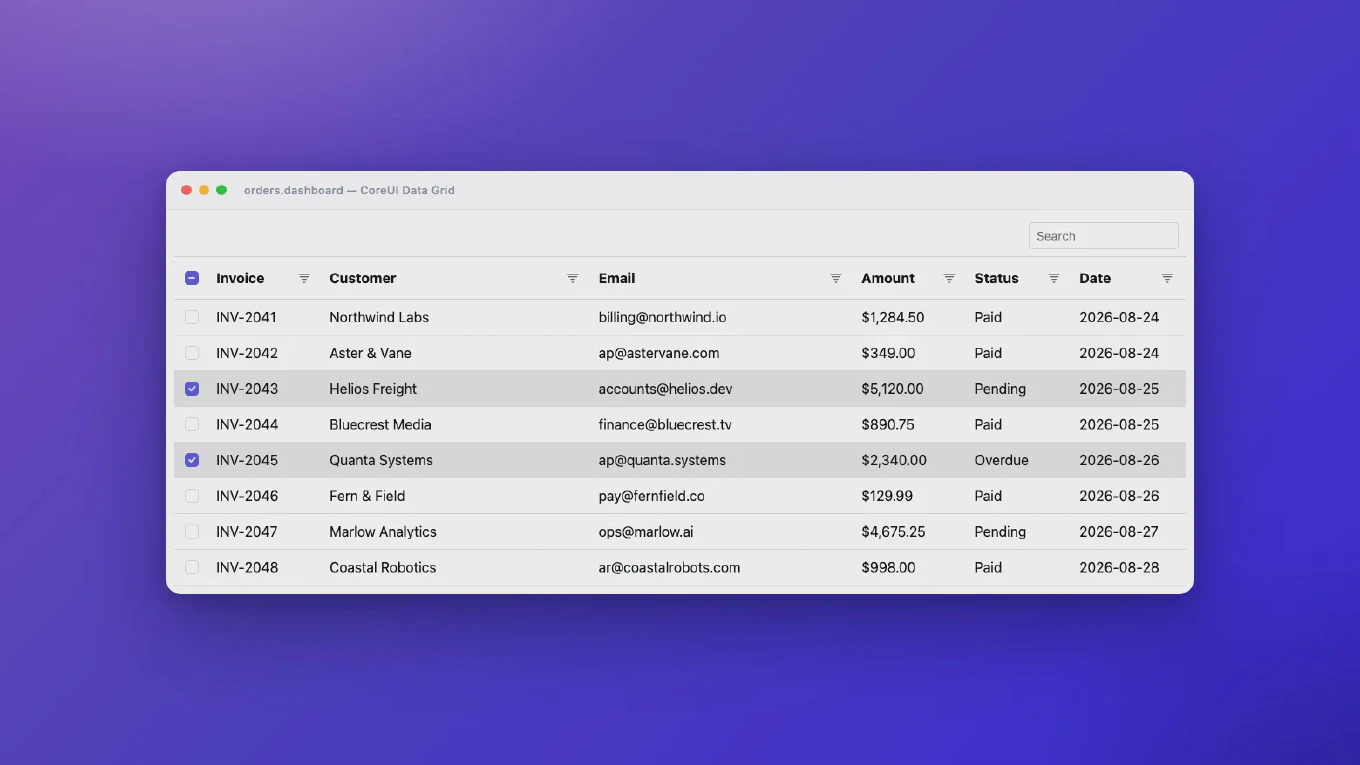
Handling checkbox inputs is essential for building interactive forms, settings panels, and selection interfaces in Vue applications.
As the creator of CoreUI, a widely used open-source UI library, I’ve implemented checkbox controls in countless Vue components.
From my expertise, the most effective approach is using the v-model directive, which provides automatic two-way data binding between checkbox state and component data.
This creates reactive forms that update immediately when users interact with checkboxes.
CoreUI PRO for Vue v5.17.1 - Dropdown & PRO Features

We are pleased to announce the release of CoreUI PRO for Vue v5.17.1. This update includes enhanced Dropdown functionality with custom positioning and improved accessibility, plus all exclusive PRO components for building sophisticated enterprise Vue.js applications with Vue 3 compatibility.
How to use scoped slots in Vue
Scoped slots in Vue enable child components to pass data back to parent slot content, creating powerful template patterns where child components provide data for parent-defined rendering logic. As the creator of CoreUI, a widely used open-source UI library, I’ve implemented scoped slots in countless Vue components for data tables, lists, and flexible UI patterns where parent components need access to child data. From my expertise, the most effective approach is using slot props to pass data from child to parent with template v-slot directive for clean consumption. This method provides powerful component composition with data flow from child to parent and highly customizable rendering patterns.
How to use slots in Vue
Vue slots provide flexible component composition by allowing parent components to pass content into specific areas of child components. As the creator of CoreUI, a widely used open-source UI library, I’ve implemented slots in thousands of Vue components to create reusable and customizable interfaces. From my expertise, the most effective approach is using named slots for multiple content areas and default slots for simple content injection. This method enables flexible component design with clear content distribution patterns.
How to use provide/inject in Vue
Vue’s provide/inject enables dependency injection across component hierarchies, allowing ancestor components to serve as dependency providers for descendant components. As the creator of CoreUI, a widely used open-source UI library, I’ve used provide/inject in countless Vue applications to avoid prop drilling and create cleaner component architectures. From my expertise, the most effective approach is providing services and configuration at the root level and injecting them where needed. This method eliminates prop drilling while maintaining clear dependency relationships across component trees.
How to use inline styles in Vue
Inline styles in Vue enable dynamic styling that responds to component data and user interactions, perfect for values that change based on state. As the creator of CoreUI, a widely used open-source UI library, I’ve implemented inline styles in countless Vue components for dynamic theming and interactive elements. From my expertise, the most effective approach is using object syntax with computed properties for complex calculations. This method provides reactive styling that updates automatically when component data changes.
How to use conditional classes in Vue
Conditional classes in Vue enable dynamic styling that responds to component state, creating interactive interfaces where styling changes based on data and events. As the creator of CoreUI, a widely used open-source UI library, I’ve implemented conditional classes in thousands of Vue components for dynamic theming and state-based styling. From my expertise, the most effective approach is using object syntax for simple conditions and computed properties for complex logic. This method provides reactive styling that automatically updates when component state changes.
How to use $emit with parameters in Vue
Using $emit with parameters enables powerful parent-child communication by passing data and event details from child to parent components. As the creator of CoreUI, a widely used open-source UI library, I’ve implemented $emit with parameters in thousands of Vue components for enterprise applications. From my expertise, the most effective approach is using descriptive event names with structured parameter objects. This method provides clear component APIs and maintainable parent-child communication.
How to validate props in Vue
Validating props in Vue ensures component reliability, provides better developer experience, and catches errors early by enforcing type constraints and custom validation rules. As the creator of CoreUI, a widely used open-source UI library, I’ve implemented comprehensive prop validation in thousands of Vue components to ensure API consistency and prevent runtime errors in enterprise applications. From my expertise, the most effective approach is to use Vue’s built-in prop validation with type checking and custom validators. This method provides runtime validation, clear error messages, and excellent development experience while maintaining component robustness.
How to use Bootstrap with Vue
Using Bootstrap with Vue provides a robust foundation for responsive web applications with pre-built components, grid system, and utility classes for rapid development. As the creator of CoreUI, a widely used open-source UI library, I’ve extensively used Bootstrap with Vue across enterprise applications, leveraging its mature ecosystem for seamless integration. From my expertise, the most effective approach is to install Bootstrap CSS and optionally use BootstrapVue for Vue-specific components. This method provides access to Bootstrap’s complete styling system while maintaining Vue’s reactive data binding and component architecture.